




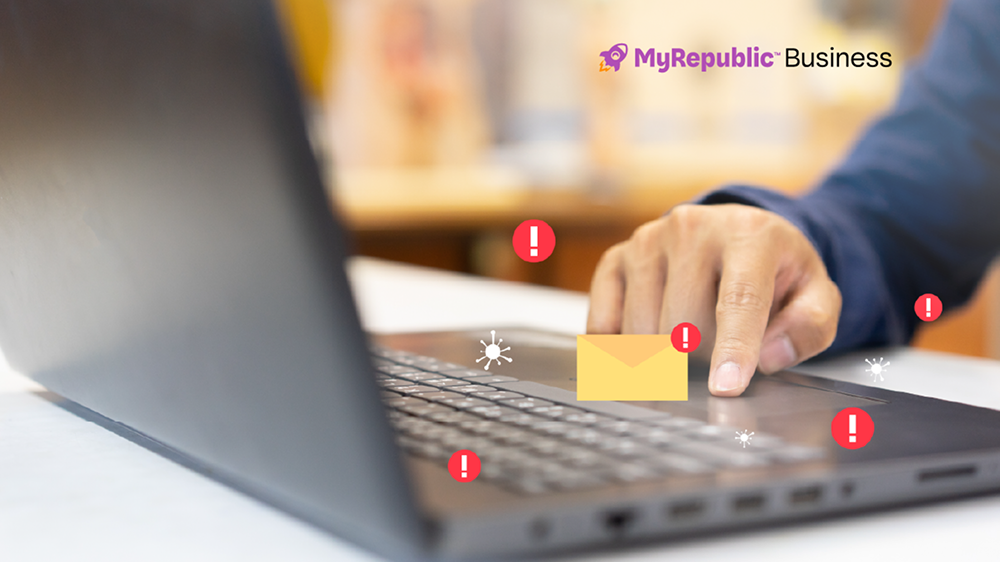
Email phishing, fake invoices, and other scams SMEs should watch out for
Practical prevention tips on how Singapore SMEs can protect their businesses from phishing, fake invoice scams, business email compromise & ransomware.

Practical prevention tips on how Singapore SMEs can protect their businesses from phishing, fake invoice scams, business email compromise & ransomware.
A reliable and fast business broadband connection is key to ensuring productive business operations. Learn more about the different types of business internet plans here
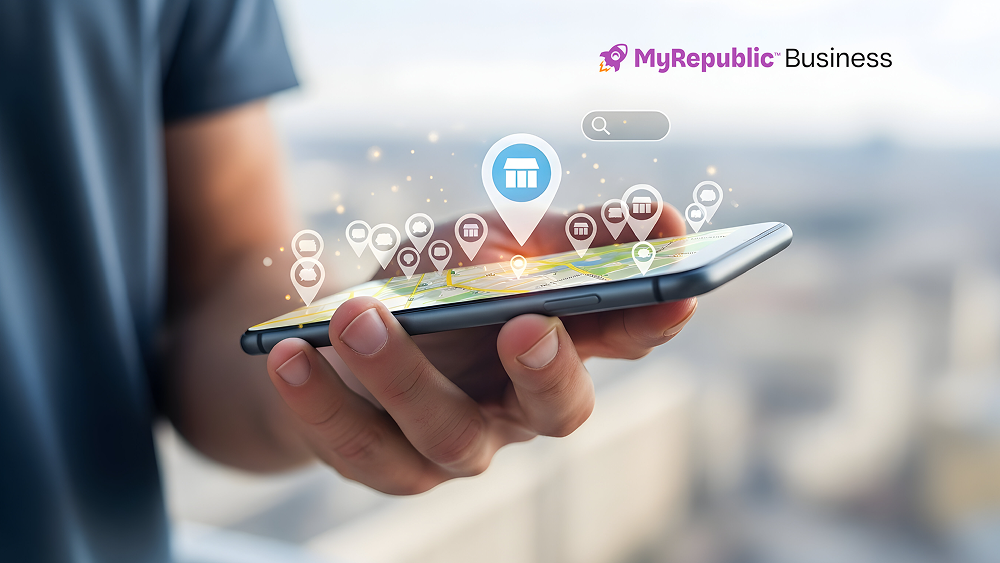
In Singapore, where people spend hours a day on their devices, it would be a shame to have a website that no one visited. Why wouldn’t they visit? Because simply having a website is not enough. When customers search for products or services near them, your business needs to appear at the top of local search results to stay relevant. This is especially true for businesses like F&B, retail outlets, healthcare professionals, wellness outlets, and even some B2B sectors like consulting or recruitment services.
Cybersecurity is a must-have for businesses in Singapore in the current state of technology. With SMEs increasingly relying on cloud tools, e-commerce platforms, and remote work setups, the risk of cyber threats continues to rise. According to the Cyber Security Agency of Singapore (CSA), phishing and ransomware remain among the most common threats faced by local organisations, while studies by IMDA show many SMEs still lack basic cybersecurity measures. Many business owners are asking the same questions about how to protect their systems, data, and operations.
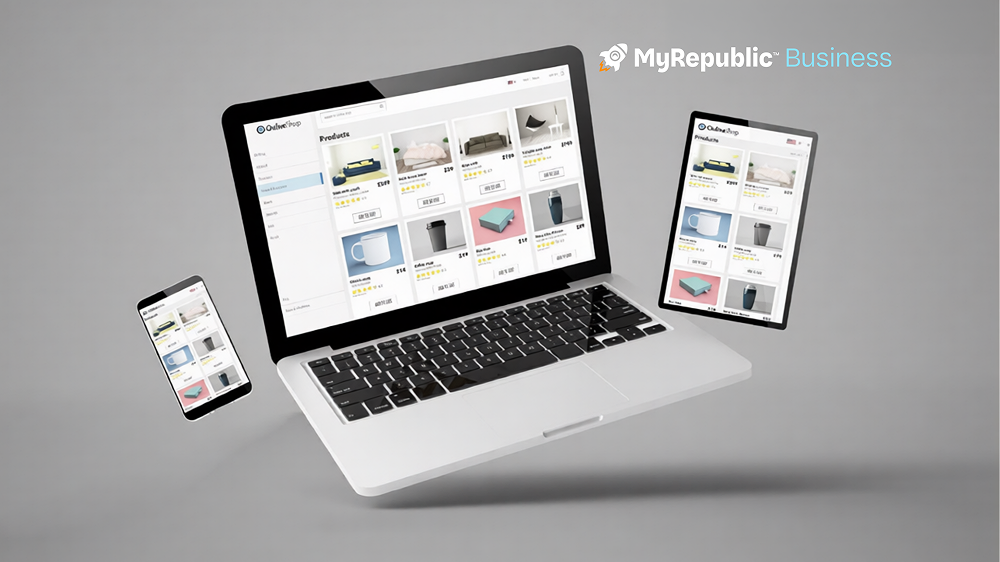
In a highly connected economy like Singapore, customers expect information at their fingertips. Quite literally. We’re accustomed to being able to easily find the information we need, regardless of whether we’re searching for a nearby café, a B2B supplier, or professional services, and most journeys now begin on a smartphone. For SMEs, having a mobile-friendly website is absolutely a business essential.
Cyber threats are increasingly prevalent, from phishing emails to ransomware, but most attacks take advantage of simple, preventable weaknesses. To address this, Cyber Essentials is a government-backed framework of five key technical controls that organisations and businesses can implement to effectively protect themselves against standard cyber threats.

Voice remains one of the most powerful channels for building trust, resolving issues quickly, and creating meaningful customer interactions. Every business already relies on voice, but when phone systems are unmanaged, that experience is often undermined by dropped calls, poor audio quality, and inconsistent service.
In today’s hybrid work environment, clear and reliable video conferencing is essential for effective collaboration. However, many meeting rooms still struggle with poor audio, limited camera coverage, and outdated equipment that affect the overall meeting experience.
A company’s network directly affects productivity. Slow connections interrupt meetings, unstable Wi-Fi disrupts collaboration, and weak security exposes sensitive business data. As businesses increasingly rely on cloud platforms, video conferencing, and digital tools, stable and secure connectivity is a baseline requirement.
As Singapore’s economy continues to grow in 2026, ICT solutions are helping SMEs boost productivity, resilience and competitiveness through connectivity, cloud and digital tools.