ALERT: Stay vigilant and exercise caution against online scams. Never share confidential information, passwords, OTPs and bank details over calls, emails or SMSes.
Whether you’re a small-medium business struggling to gain a foothold in your industry or a burgeoning organisation geared for rapid expansion, the universal problem of profitability plagues every company regardless of size or industry. Two primary challenges – overhead costs and total cost of ownership for new assets, compel today's key decision-makers to make tough choices between efficiency and profitability. In response, third-party solutions have emerged as the optimal approach for businesses seeking to reduce overhead while establishing a cost-effective IT workforce.
The advent of artificial intelligence (AI) has sparked a rapid evolution in the landscape of cyber security and cyber defence. According to a recent report by the National Cyber Security Centre, AI has lowered the barrier for novice cyber criminals to carry out effective access and information gathering operations, which is likely to result in a global increase in ransomware attacks in the next two years.
Adapt or be left behind, Darwin's blanket approach to biological evolution draws similar parallels to businesses in the 21st century. As technology evolves, companies must learn to adopt and leverage these technological evolutions to come out on top and stay relevant. Businesses that fail to integrate new technologies might find themselves falling behind in the competitive landscape.
In response to the pressures of a tight labour market, businesses need to be competitive and progressive to attract and retain top talent. This imperative drove the launch of Singapore’s latest Tripartite Guidelines on Flexible Work Arrangement Requests, according to members of the tripartite workgroup. Scheduled to take effect on 1st December 2024, the guidelines mandate that all employers in Singapore must fairly consider formal flexible work arrangement (FWA) requests and reply to them within two months. This precedent-setting development signals a push towards prioritising work-life balance, with stakeholders from all sides coming together to advocate for more FWAs within the workplace collectively.
Experiencing a data breach can have severe and long-lasting financial consequences. The costs associated with such incidents often go beyond immediate financial losses. Companies may face expenses related to investigation and remediation, legal actions and settlements, regulatory fines, and the implementation of enhanced security measures.
In November 2023, a ruthless cyberattack led to a 7-hour internet outage in public hospitals and polyclinics across Singapore. The disruption, categorised as a Distributed-Denial-of-Service attack, prevented legitimate users from accessing online services and crippled internal services such as emails and productivity tools. While the entire ordeal was contained without long-term consequences, a survey of local companies found that 86% of small-medium businesses were ill-equipped to defend themselves against a cyber attack. If you find yourself within that demographic, read on to find out how cybersecurity retainers offer round-the-clock protection for your business.
Unforeseen circumstances like natural disasters and cyberattacks can lead to network downtime, preventing business internet and data systems from running smoothly. When the network is down, employees face obstacles in accessing essential tools and data, resulting in lowered productivity. This ultimately brings about revenue loss. Fortunately, crafting a disaster recovery plan (DRP) can help businesses deal with unexpected challenges resiliently, particularly those dependent on commercial broadband, corporate internet, and other solutions. Join us to learn more about the key aspects of implementing a DRP.
In the modern era of digital technology, internet connectivity has evolved into a basic necessity for business operations. Whether it’s providing internet access for workstations in the office, cloud solutions for on-site technologies, or simply facilitating communication through VoIP calls, nearly every essential business function in the 21st century requires internet connectivity in some form.
Ask business owners operating in the Food and Beverage (F&B) or Retail industry and they’ll tell you how competitive and busy business can get. Increasing operational costs, tight profit margins and quicker demands have pushed businesses to rely heavily on technology and digital point-of-sale (POS) systems for their daily operations. As a result, having efficient and seamless connectivity to support these technologies and digital platforms has become a fundamental requirement for businesses functioning in these industries.
Given the myriad of service providers and different plans on the market, picking the best connectivity plan for your business can be a tough decision. The questions that probably come to mind immediately when debating between connectivity plans is "What is the difference between business and consumer plans? Does it matter for my business operations?” These are especially true questions amongst younger businesses that are still starting, and might not view business plans as necessary.
Digitalisation has increased the significance of information and introduced new cyber threats that constantly evolve. As such, businesses are now turning to Virtual Private Network (VPN) solutions to safeguard their online presence and sensitive data. This article highlights the role of VPNs in ensuring the confidentiality and integrity of digital communications for businesses.
The question of a cyberattack is not one of "If", but "When". Over a long enough timespan, most organisations will catch the attention of cybercriminals and become the target of a cybersecurity breach. The key is to recognise what to do when it does happen and have the necessary steps put into place to respond to the threat immediately. Don't have an Incident Response Plan (IRP) in place? Here are some simple measures to implement when you find your business face-to-face with a cyberattack.
The metaverse is a term coined by Neal Stephenson in his novel Snow Crash for a virtual reality-based multiverse where users can interact with each other and create their own content.
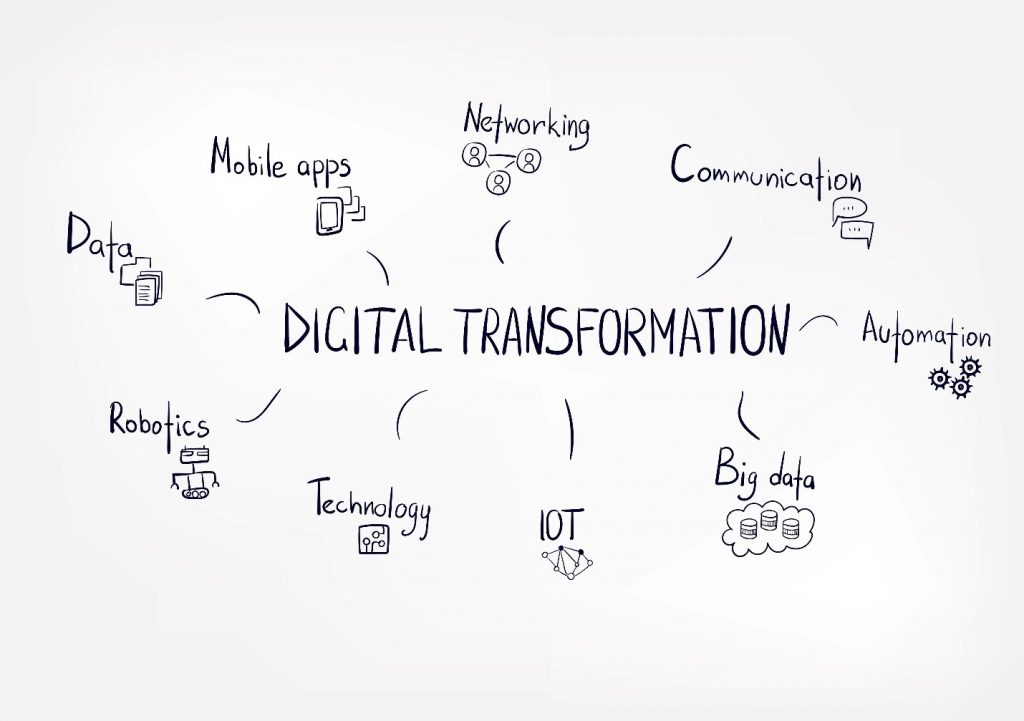
Most businesses struggle with and never fully complete their digital transformation (DX).According to research by Everest Group, 73% of businesses fail to generate any value from their digital transformation strategy.
The modern workplace is constantly evolving with the advent of new technologies. The use of digital communications has revolutionized the way we work by allowing us to connect with each other and our clients in ways never before possible.
Computer networking has become an increasingly important aspect of computing, as it allows users to share files and other resources. In addition, computer networks can provide security for users' data.
In the present day and age, cybersecurity has become one of the most important issues enterprises face. With the advent of new technologies and increasing connectivity, companies are more vulnerable than ever to cyberattacks.
Digital transformation (DX) is challenging enough for corporates with scale-appropriate budgets. The complexity of technology integration, the stakeholder hills to climb, and the constant push-pull between market-driven needs and operational stability make any digital transformation agenda exasperating.
Curious how MyRepublic Business can benefit your organisation?
Get in touch with us.
For sales enquiries, drop us a call at +65 6430 0887 (weekdays 9:00am – 6:00pm). Alternatively, fill out the contact form on the right and we’ll respond within three business days.