ALERT: Stay vigilant and exercise caution against online scams. Never share confidential information, passwords, OTPs and bank details over calls, emails or SMSes.
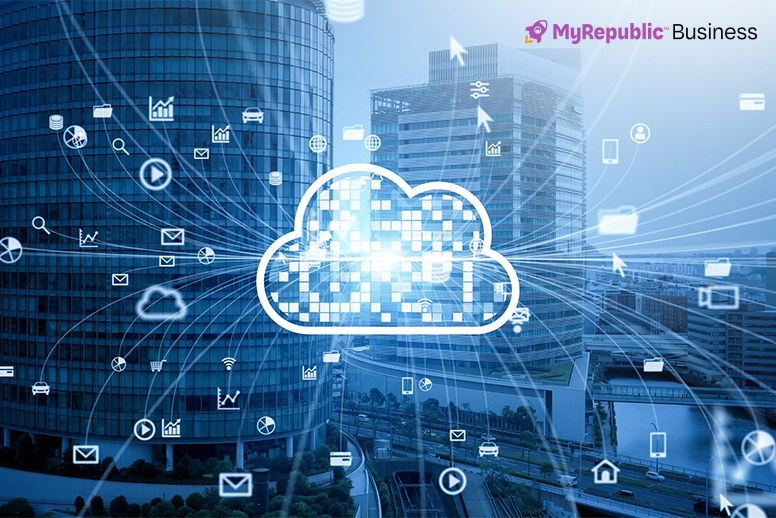
The advent of cloud computing has changed how we approach technology, offering unprecedented scalability, flexibility, and cost-efficiency. By providing on-demand access to computing resources via the internet, cloud services eliminate the need for businesses to handle physical resources themselves, reshaping the management of IT resources for businesses. In this article, we discover the three key types of cloud computing services that are transforming IT infrastructure management.
Singapore has emerged as the undisputed regional headquarters of choice in Southeast Asia, according to a 2024 report by the Business Times. Home to approximately 4,200 multinational firms, Singapore has sailed ahead of long-time rival Hong Kong to establish itself as the business gateway to the region. With many businesses choosing the Little Red Dot as their homestead to build an international presence in neighbouring countries, cross-regional collaboration has become a hot topic for many key decision-makers.
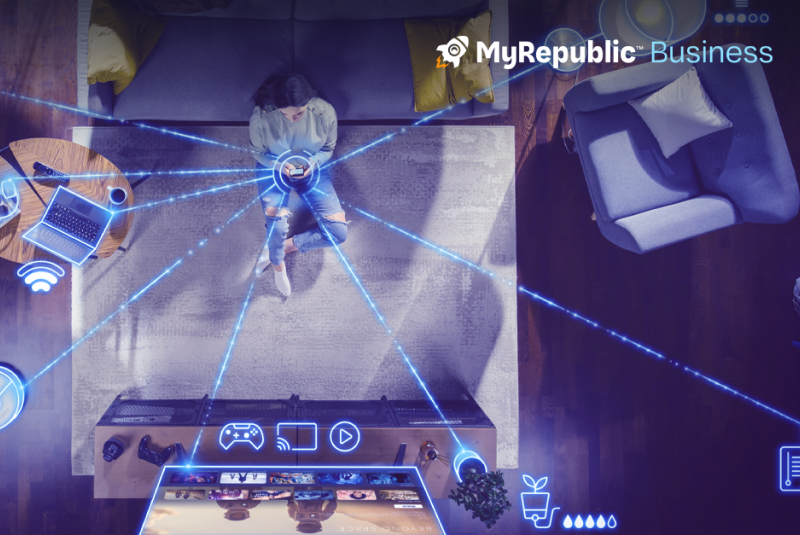
The Internet of Things (IoT) is a network that links physical devices embedded with sensors, software, and diverse technologies to collect and exchange data over the internet. It has reshaped our lifestyles and industries by opening up a new era of convenience and efficiency across our daily lives. Within the IoT ecosystem, a diverse array of objects and devices work to collect data to improve processes, operations, and quality of life. In this article, we delve into the profound impact of IoT solutions, exploring how they have revolutionised modern lifestyles.
Earlier this year, the Singapore Tourism Board projected that tourism receipts for 2024 would hit a record high of $29 billion. Driven by events like Formula 1 and concerts by star performers such as Taylor Swift, Coldplay, and Ed Sheeran, tourists worldwide continue flocking to local shores in droves. This influx of visitors has also had the added benefit of contributing to Singapore’s gross domestic profit by the way of spending. The biggest beneficiaries? Companies in retail, hospitality and F&B industries.
On 7 May 2024, the Singapore Parliament passed a new bill to bolster the nation’s cybersecurity defences to account for new and evolving technological threats. Dubbed the “Cybersecurity (Amendment) Bill'', it outlines that owners of Critical Information Infrastructure (CII) are now required to report cybersecurity incidents, including those that happen within their supply chains.
On 7 May 2024, the Singapore Parliament passed a new bill to bolster the nation’s cybersecurity defences to account for new and evolving technological threats. Dubbed the “Cybersecurity (Amendment) Bill'', it outlines that owners of Critical Information Infrastructure (CII) are now required to report cybersecurity incidents, including those that happen within their supply chains.
International flights delayed, health services disrupted, and banking services frozen. This was the scene on 19th July as the world witnessed one of the worst global IT outages to date. Owing to a faulty software patch uploaded by security company CrowdStrike, global travel and businesses were faced with unprecedented disruptions as approximately 8.5 million computers across the world were rendered unusable by the infamous “Blue Screen of Death” booting error.
According to an October 2023 study, an estimated 94% of all companies globally use cloud software currently. The global mass adoption of cloud technologies was first noted during the COVID-19 pandemic and started as a way to maintain operational continuity during social distancing measures. Today, it’s become a proven way for businesses to generate growth. This pivot towards cloud-based services, driven by an abundance of fiscal and operational benefits, has seen cloud migration becoming the norm in everyday business.
OpenAI’s launch of Sora earlier this year marked a historic milestone in the advancement of artificial intelligence. Reminiscent of 90’s science fiction, Sora’s press release was accompanied by hyper-realistic videos that were indistinguishable from actual filmed footage. Unlike large-language AI models such as ChatGPT, generative AI models such as Sora and Midjourney exemplify the new wave of AI tools that promise to revolutionise the tech landscape.
Powered by high-speed internet access, information in the digital age travels at the speed of light. With the collective knowledge of the human race readily available at our fingertips, productivity’s dependence on quick and responsive connectivity has never been higher. This is especially true for businesses, many of which are undergoing digital transformations to embrace automation and artificial intelligence (AI) to enhance productivity.
Building on the transformative potential of Wi-Fi 7 outlined in our previous article, we now explore its practical applications and the remarkable ways it can enhance our daily digital experiences. From supporting smart homes and optimising remote work environments to revolutionising augmented reality (AR) and virtual reality (VR) gaming, Wi-Fi 7 is poised to substantially enhance connectivity, efficiency, and stability across various domains. This next-generation technology is not just about faster speeds; it’s about creating a seamless and robust digital environment that adapts to our increasingly interconnected lifestyles.
Each year, businesses invest millions of dollars towards upgrading their cybersecurity defences to fend off cyberthreats. According to a recent Cybersecurity Drive report, cyber investments are projected to increase by 14% annually in 2024, with cybersecurity services accounting for the lion’s share at 42%. Despite the latest advancements and upgrades in cybersecurity technology, human vulnerabilities remain the foremost cybersecurity concern globally. Research and marketing firm Cyber Edge Group found that 82% of cyberattacks in 2023 exploited human weaknesses such as email phishing, in which cybercriminals can achieve entry points to access secure networks and hold businesses hostage with ransomware attacks.
While digital transformation and technological advancements have brought many benefits to businesses, it also exposes them to more cyber threats, leading to potential significant setbacks. For example, organisations may face the constant risk of data breaches, brand image damages and financial losses. For smaller enterprises, the financial impact of a cyberattack can be even more devastating. Therefore, businesses should prioritise cybersecurity as a fundamental aspect of their operations, safeguarding their assets, reputation, and future growth. This article will pinpoint the importance of cybersecurity for businesses, and share tips for staying safe online.
Today, digital transformation has become a key driver for companies to succeed in our highly competitive business world. With a need to meet the growing expectations of customers and stand out from rivals, organisations are now turning to digital technologies for greater efficiency and streamlined operations. In this article, we will uncover the role of digital transformation in business internet, based on the three crucial aspects below.
In today’s dynamic business landscape, organisations need to constantly adapt and innovate to stay ahead of the curve. One of the key factors that can influence their success is how they manage their workplaces to optimise the physical, digital and human aspects of work.In this blog post, we explore three ways that workplace solutions can help improve business outcomes for organisations of any size and industry
Cloud computing has become an increasingly popular choice for businesses nowadays, due to its significant role in streamlining businesses’ ICT infrastructure and operations. The concept of cloud computing involves providing computing resources and services over the internet. Cloud computing allows businesses to access a range of computing resources, such as storage, processing power, and software, on a pay-as-you-go basis, rather than depending on physical hardware and infrastructure. Organisations can now gain greater flexibility in terms of how they manage their IT resources. No doubt, cloud computing solutions offer a number of advantages in terms of ICT infrastructure and operations. Read on to find out more.
This era of transformation is an opportunity for companies to evaluate how they can unlock the full potential of their talentbase, close the skills gaps that hinder their growth, and build elastic teams that can respond to changing demands.They need to be able to leverage technology to boost productivity and cost efficiency, while also enhancing human creativity and collaboration to stay competitive.
The attackers used Remote Desktop Protocol (RDP) to gain access to the school’s IT systems and begin a ransomware attack. RDP allows attackers to move laterally across a network to find valuable data before encrypting it and demanding payment for its release. The ransomware quickly spread, locking out the school’s staff from accessing critical data such as academic records, personal details, essential teaching materials, and financial information.
Cloud incident response (IR) has changed drastically since the transition from on-premises to cloud computing. Cloud security strategy should include both pre-breach and post-breach elements. Read on to learn more about cloud incident response for the modern SME.
Cloud security concerns remain a top inhibitor of adoption for SMEs. Cybercrime sophistication, inadequate training and the lack of dedicated resources are amongst the top challenges for SMEs on cloud adoption and digital transformation journeys.
For any digital transformation or cloud adoption journey, you need a cloud security strategy. Align your cloud security program with these guidelines to address risks, protect data and meet business objectives.
Yahoo, eBay, Equifax, Target Store and Uber. What exactly do these big businesses have in common? These six businesses have been the targets of the largest data breaches in the 21st century. 3 billion accounts were affected in Yahoo, 145 million users in eBay, Personal information of 143 million users from Equifax were affected, 110 million customers were affected in Target Store, 57 million Uber users and drivers were also affected by the breeches (Stage2Data, 2022).
Before the epidemic, many businesses expected their employees to go to work for a variety of reasons, including leadership, community, security, and others. Regardless of their prior views, organisations all around the world immediately shifted to remote work because of the pandemic.
Are you looking for a rewarding and lucrative career defending confidential information and communications from hackers? Think about studying cybersecurity. Cybersecurity careers can flourish for tech-savvy thinkers with a keen eye for detail.
Curious how MyRepublic Business can benefit your organisation?
Get in touch with us.
For sales enquiries, drop us a call at +65 6430 0887 (weekdays 9:00am – 6:00pm). Alternatively, fill out the contact form on the right and we’ll respond within three business days.