ALERT: Stay vigilant and exercise caution against online scams. Never share confidential information, passwords, OTPs and bank details over calls, emails or SMSes.
The final quarter of 2024 looks on the rise for small and medium enterprises (SMEs) in Singapore. Across the board, experts and industry analysts reported positive cash inflows and potential expansions for SMEs nationwide. This lies in the stark contrast to the past five quarters in which the overall economic performance of SMEs has been underwhelming.
For businesses that operate internationally or frequently communicate with overseas clients, understanding IDD (International Direct Dialing) rates is essential. High IDD charges can add up quickly, impacting communication budgets and overall operational costs. By knowing how these rates work and what options are available, businesses can make smarter decisions and save money on international calls.
Ever had a virtual class drop right in the middle of a lesson because of poor connectivity? Or maybe you’ve had countless experiences struggling to present and share learning materials because your systems can't keep up? For schools, training centres, and online educators, reliable tech can make all the difference between a productive day of learning or one filled with frustration. Breaking through to students and teaching is enough of a challenge, so why let technical difficulties compound your worries?
In Singapore’s competitive business landscape, digital transformation is an essential part of business survival and growth. SMEs in Singapore face dynamic market conditions, and by embracing digital transformation, they can discover new growth opportunities, improve efficiency, and build a foundation for sustained success.
Picture this: you’re running a busy warehouse, juggling incoming shipments, outgoing deliveries, and managing a team on the floor. Then, a pallet goes missing, a delivery delay throws the schedule off, or worse - an accident occurs, halting all work due to safety concerns.
Wise, Revolut, Paypal – what do these names have in common apart from having multibillion-dollar valuations? They're all companies that have made sending money overseas significantly quicker and cheaper. Not too long ago, remitting or sending money internationally entailed exorbitant merchant fees and significant delays. Those days are now over, with the advent of fast-paced and accessible internet connectivity.
On average, businesses in the region experienced 1,835 cyberthreats a week in the first quarter of 2023. That statistic alone should be cause for concern, and as a business owner, you need to ensure that your networks are protected 24/7. The question is, to what degree? Introducing Managed Cybersecurity, today's solution to a landscape rife with cyberthreats.
There’s always something inspiring about the start of a new year. For many, it’s synonymous with fresh starts and resolutions; a time for people to visualise their goals and outline steps to achieve them.
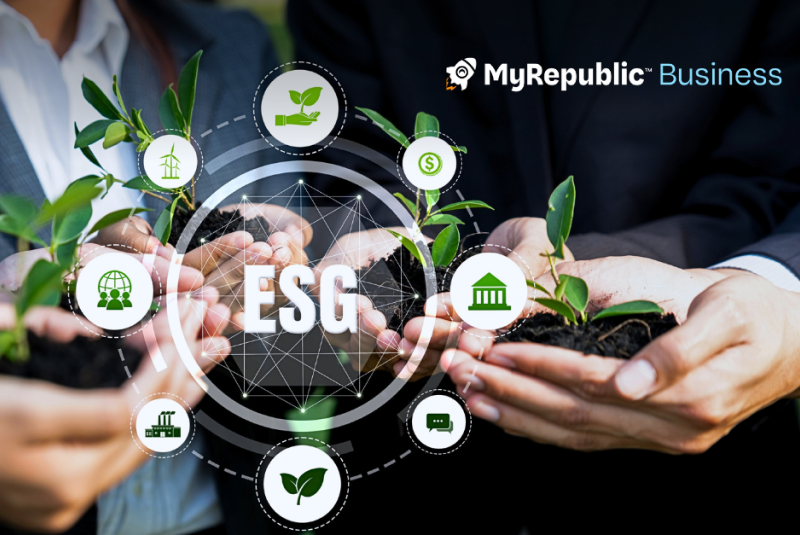
11th November marked the beginning of the 2024 United Nations Climate Change Conference (COP 29), where global leaders convened to reaffirm their commitment to battling climate change. As climate change becomes more evident, prioritising sustainability has risen to the forefront of global agendas. Governments worldwide are enacting stringent measures to reduce national carbon footprints and greenhouse gas emissions, and businesses are now held to the same level of accountability.
Choppy calls, laggy video, and audio glitches force you to repeat yourself endlessly to make your point heard. Does this scenario sound painfully familiar to you? If so, you're not alone. While most of us have come to rely on our laptops and work devices for quick one-on-one calls, they simply don’t cut it when it comes to larger conference meetings. Your business and teams deserve more than that in today's fast-paced work environment.
1st November 2024 marks the official shutdown of all major 3G networks in Singapore, closing a chapter that has defined mobile communications for over two decades. After an extended sun-setting period, the nation bids farewell to 3G and now fully adopts 4G LTE connectivity as the new standard. This transition isn’t just a routine upgrade – it’s a pivotal move that promises faster, more reliable connections across the country. For businesses, it’s an opportunity to unlock new levels of efficiency, agility, and competitive advantage.
Efficient communication is key to maintaining a competitive edge. This is where Cloud PBX comes into play, offering a modern solution for companies looking to enhance their communication infrastructure. But what exactly is Cloud PBX, and why is it important for businesses, particularly small and medium-sized enterprises (SMEs) in Singapore?
Has this ever happened to you? You’re a nice hire, eager to hit the ground running and start making a difference in your role, only to find yourself waiting days or even weeks for a work device to be assigned. You make do with the standard office equipment but you’re frustrated because you don’t have a dedicated laptop that you can use on the go, or even bring home. Each day that goes by without the right equipment feels like a day of lost productivity and stalled momentum.
IT investments are crucial for SMEs looking to keep up with rapid changes in technology and consumer expectations. From digital transformation initiatives to streamlining day-to-day operations, IT solutions can be a major competitive advantage for SMEs.
Cybersecurity has become a crucial concern for businesses of all sizes in Singapore and worldwide. However, small and medium-sized enterprises (SMEs) are often seen as particularly vulnerable to cyber threats.
Technology has become essential for business growth in today’s fast-paced and competitive market. Gone are the days when only large corporations could benefit from advanced IT systems. Now, even small and medium-sized enterprises (SMEs) can leverage technology to grow, streamline operations, and stay ahead of the competition.
Beating out the US, UK, and even regional neighbours South Korea, Singapore was recently ranked 7th in the world in terms of overall information and communication technology (ICT) development. The results, as depicted in the UN’s International Telecommunication Union 2024 report, offered an empirical analysis of every nation’s level of universal and meaningful connectivity to help determine how well ICT has integrated into each country’s infrastructure.
The world of IT is advancing faster than ever, and SMEs in Singapore have a lot to keep up with. But it's not all about complexity—some of these trends are set to make your life a lot easier, helping you run your business more efficiently and stay ahead of the competition. Here, we break down expert predictions on the future of SME IT solutions into easy-to-digest pieces. Whether you're tech-savvy or just dipping your toes into the digital waters, this guide is for you.
In Singapore, the challenges of operating small-medium enterprises (SMEs) routinely come down to doing more with less. Often lacking the resources that their multi-national counterparts might have, SMEs have to get creative to compete on equal footing. While various government schemes exist to lend SMEs a helping hand, there are also measures that SMEs can take to help maximise their performance.
As the demand for technology grows, it’s increasingly essential for small and medium-sized enterprises (SMEs) to stay agile and informed to remain competitive. The evolution of technology presents both opportunities and challenges, making it crucial for businesses to keep up with the latest IT trends.
As the de-facto productivity enhancer, cloud solutions have become truly indispensable. Adopting the right crowd solutions in today’s business climate has become vital for businesses large and small, with a 2024 study stating that 94% of companies worldwide will utilise some sort of cloud platform as part of their operations on a day-to-day basis. This number has grown since 2020, when only 80% of companies leveraged cloud solutions as part of business workflows.
In line with Singapore’s Digital Enterprise Blueprint (DEB), the Infocomm Media Development Authority (IMDA) has recently launched two new solution categories under the Advanced Digital Solutions (ADS) scheme – Omnichannel Retail Management (OCRM) and Integrated Security Management (ISM). These two schemes are targeted at small and medium-sized enterprises (SMEs) from the retail and security industries and aim to equip SMEs with solutions to deepen their digital capabilities and build business resilience for growth in a digital economy.
Artificial Intelligence (AI) has become increasingly integrated with cybersecurity, both as a threat vector and a means for defence. This was the core message shared at the inaugural Singapore AI Security Summit held by the Association of Information Security Professionals (AiSP) on 3rd July 2024. Attended by stakeholders of the cybersecurity industry, the AI Security Summit served as a gathering of minds for members to discuss the future and outlook of Singapore’s cybersecurity environment in relation to AI.
Within these ads, however, lie wolves in sheeps’ clothing. Armed with nefarious intent, a rising trend of malvertising has emerged where cyber criminals spread malware through digital ads on reputable websites. These ads, which exploit the user’s trust in familiar brands, steal sensitive information by luring victims to deceitful websites and directing them to download malware disguised as harmless content.
Curious how MyRepublic Business can benefit your organisation?
Get in touch with us.
For sales enquiries, drop us a call at +65 6430 0887 (weekdays 9:00am – 6:00pm). Alternatively, fill out the contact form on the right and we’ll respond within three business days.