









7 reasons why SMEs in Singapore need a mobile-friendly website
In a highly connected economy like Singapore, customers expect information at their fingertips. Quite literally. We’re accustomed to being able to easily find the information we need, regardless of whether we’re searching for a nearby café, a B2B supplier, or professional services, and most journeys now begin on a smartphone. For SMEs, having a mobile-friendly website is absolutely a business essential.
In this guide, we explore why mobile responsiveness matters, what the data says about mobile usage in Singapore, and how investing in professional web development can directly support business growth.
1. Singapore is a mobile-first nation
Singapore has one of the highest smartphone penetration rates in the world. According to DataReportal’s Digital 2025 Singapore report, there were 10.5 million active mobile connections in Singapore in early 2025, equivalent to 179% of the total population.
In addition, Statista reports that over 90% of Singapore residents access the internet via mobile devices.
This means that when potential customers search for your products or services, they are very likely doing so on their phones. If your website is not optimised for mobile viewing, you risk losing them within seconds.
And you don’t get a second chance to make a first impression.
2. Mobile responsiveness directly impacts user experience
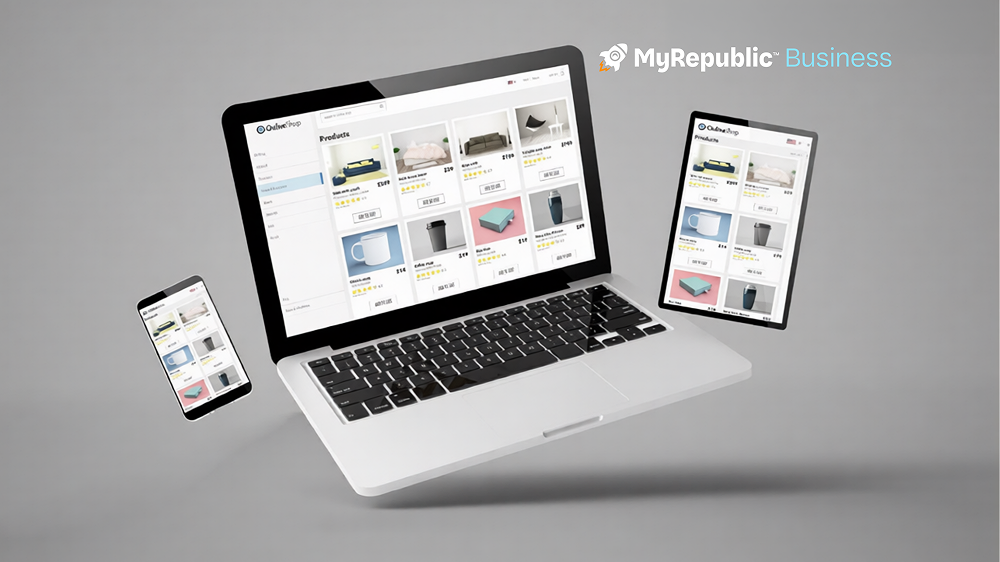
A responsive website automatically adjusts its layout, images, and text size to fit various screen sizes. This ensures easy navigation, readable content, buttons that are easier to click, and faster load times.
For busy Singapore consumers and decision-makers, convenience is key. If users need to zoom in, scroll excessively, or wait for pages to load, they are likely to leave and visit a competitor instead.
Professional website development ensures that your site delivers a seamless experience across smartphones, tablets, and desktops, strengthening your brand credibility from the first click.
3. Google prioritises mobile-friendly websites
Google uses mobile-first indexing, which means it predominantly uses the mobile version of content for ranking and indexing. If your website is not mobile responsive, your search rankings may suffer.
For SMEs investing in web development, this is critical. A well-optimised mobile site improves visibility on search engines, helping your business appear when customers search for relevant products or services.
Simply put, mobile responsiveness supports both user experience and SEO performance.
4. Faster load speeds reduce bounce rates
Speed matters. Especially on mobile networks. Research shows that as page load time increases from one second to five seconds, the probability of bounce increases by 90%.
Many SMEs unknowingly lose leads because their websites are slow or poorly optimised for mobile devices. Singapore web development providers focus on performance optimisation, including image compression, clean coding, and reliable hosting to ensure fast loading times.
5. Mobile commerce and enquiries are growing
From food delivery to professional services, mobile transactions are increasingly common in Singapore. Even in B2B sectors, decision-makers often conduct initial research on their phones before making contact.
If your enquiry forms, booking systems, or e-commerce functions are difficult to use on mobile, you may be creating unnecessary friction in the sales process. Mobile-optimised website development removes these barriers and makes it easy for customers to take action.
6. It strengthens trust and brand perception
A poorly displayed website can make even an established SME appear outdated. In contrast, a clean, responsive design signals professionalism and reliability.
In competitive industries such as F&B, retail, logistics, and professional services, first impressions matter. Investing in quality web development ensures that your digital presence reflects the standards of your business.
7. It supports broader digital transformation efforts
The Infocomm Media Development Authority (IMDA) continues to encourage SMEs to embrace digitalisation through initiatives such as the SMEs Go Digital programme.
A mobile-friendly website is often the foundation of this transformation. It supports digital marketing campaigns, online payments, cybersecurity improvements, and integration with CRM or cloud-based systems.
Without a responsive website, other digital investments may not deliver their full value.
In short… mobile responsiveness is a business necessity
Singapore is a mobile-first market, and customer expectations are higher than ever. A mobile-friendly website improves user experience, search visibility, lead generation, and brand credibility.
For SMEs investing in professional website development, remember this. Aesthetics is important, but it’s more important to ensure your business remains competitive in an increasingly digital economy.
If you are reviewing your current website or planning website development, now is the time to prioritise mobile responsiveness as part of your broader digital strategy with our SME Web Services.